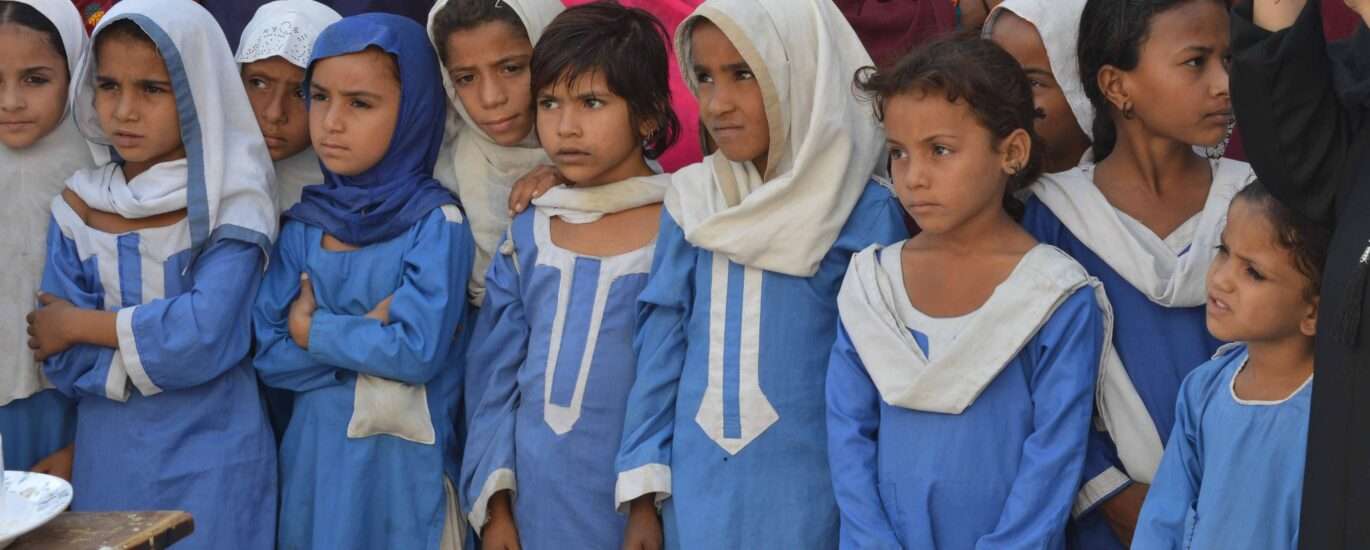
The Struggles of Young Minority Girls
Pakistan is a country with rich cultures, traditions, religious communities and different background. However, young girls from minority communities especially Christian communities, life can be filled with unique multiple challenges. They often face challenges like limited access to education, social discrimination, basic rights and lack of knowledge. And issues like their religion practice freedom, poverty and concerns about safety and protection. To understand The Struggles of Young Minority Girls it’s important to raise awareness and encourage positive change among girls and children.
To explores the challenges and struggle faced by Christian girls in Pakistan, need to focusing on education barriers, minority rights, gender inequality and child protection issues. Also need to highlighting hope, awareness and solutions for a better future of the young girls and children.
Education Barriers for Minority Girls
However, the education is one of the most powerful tools that we can use to change the current situation. Yet many Christian girls in Pakistan struggles to get quality education. Poverty is a major factor where they struggle. Many minority families struggle financially, making it difficult to afford school admission fees, school fees, uniforms, books, day to day expense and transportation.
In some areas, minority children have to go to under resourced schools where facilities, quality of education and highly qualified teacher are limited. Moreover, social discrimination can create another unwelcoming environment for Young Minority Girls in Pakistan. However, Some girls report, feeling excluded, misfit and discouraged due to their religious identity.
According to current human rights reports of various sources, enrollment rates of minority girls are lower as compared to the national average. This huge gap highlights the urgent need to promote education for underprivileged and neglected children to make sure equal opportunities for all. Minority Girls are struggling to get their basic right; it is need to identify the issue and work on it.
Poverty and Its Impact
Poverty plays an essential role in shaping the lives of minority young girls and children in Pakistan. Many Christian families work in low-income jobs for example, sanitation work, domestic labor, daily wage earning and very often unemployment. As a result, young girls are sometimes in order to contribute to household responsibilities instead of attending school and building their bright future.
This economic pressure and financial struggle limit their chances of personal growth, skill development, education and independence, they spent their whole life in ignorance and darkness of knowledge. Without proper education, knowledge, vision and awareness these girls often remain stuck in a cycle of poverty. They kept struggling for basic needs, with lesser opportunities for better employment in the future.
Addressing poverty in Pakistan among minority, is essential to improve access to education, awareness of opportunities and empowering girls to build a brighter future.
Social Discrimination and Exclusion
Meanwhile, Discrimination remains one of the most difficult challenges for Christian minority girls.Now a days, some communities, minority groups face social exclusion, unequal treatment and negative stereotypes. Which leads to lack of confidence and sense of being misfit in the surrounding.
Young girls may experience bullying or isolation in schools, community, at work place or neighborhoods. As a result they can experiences lack of confidence, mental well-being and sense of belonging a lot. Over the time, this can discourage them for continuing their education and participating in community life.
Therefore, Promoting minority rights in Pakistan and encouraging respect for diversity are key steps toward creating a more inclusive society and helping out young girls to feel secure and safe.
Real-Life Cases: Forced Marriage and Abuse of Minority Girls
All over the Pakistan, there are several documented cases filled. That have drawn national and international attention to the challenges faced by Christian girls in Islamic Republic of Pakistan. Particularly related to forced marriage among minority young girls, child protection, basic human rights and minority rights.
Arzoo Raja
For instance, One extensively reported case is that of Arzoo Raja, a 13-year-old Christian girl from Karachi. She was reportedly kidnapped, forced to converted and married to a man older than her. Although her case flashed outrage across the country and painted serious need of attention in child protection in Pakistan. As a result, low amker are working on enforcement of laws related to underage marriage.
Huma Younus,
There is another case of a Christian girl name Huma Younus, a teenage girl who was taken from her own home and enforce to get married without her family’s consent. Despite legal efforts, her family faced a lot of challenges in seeking justice for their daughter. As a result, this misfortune case brought attention to the legal and social barriers faced by minority young girls, children and families.
Maira Shahbaz
Similarly, Maira Shahbaz became a symbol of resilience for whole of the Christian nation in Pakistan. She spoke out about her experience and sought protection through the courts. Deu to her courage, she throw light on the risks faced by minority girls, children, families and Christian families, and the need for stronger legal protection.
Though, many Human rights organizations like Human Rights Commission of Pakistan have repeatedly reported cases. Involving forced conversions, reported kidnapping, discrimination at work place and in community. Similarly, Force early marriages disproportionately affect girls from minority communities. Including Christians and Hindus. These reports emphasize the urgent need to reforms child protection laws, minority rights in Pakistan and access to justice.
Why These Stories Matter
Ultimately, these cases are not isolated incidents. There would be so many cases that is not even reported or didn’t get the public light. They reflect broader systemic issues including:
- Weak enforcement of existing laws
- Social and economic vulnerability of minority families
- Lack of awareness about child rights in Pakistan
- Barriers to legal support and justice
Addressing these issues is essential to protect young minority girls, children and their families to make ensure they can live with dignity, safety, confidently and equal opportunity.
A Call for Awareness and Action
It is needed to Raise awareness through platforms like One Vision Society is a major and important step toward change.
By sharing real stories responsibly, we can:
- Advocate for girl’s empowerment in Pakistan
- Promote education for underprivileged children
- Strengthen child protection systems
- Encourage communities to stand against injustice
Every voice matter in building a safer and better future.
Child Protection and Safety Concerns
Another serious issue which is affecting young minority girls make them struggle in their daily life is child protection measures. Safety concerns can include harassment, forced labor or early and forced marriages in vulnerable communities.
Although such laws exist which provide the ways to protect children but implementation and awareness remain challenges in many areas. However, the Families who are living in poverty and don’t have the knowledge about their basic right may lack access to legal support or knowledge about their rights.
In order to make sure young girls child protection in Pakistan, it requires strong community awareness, better law enforcement and support systems for vulnerable families.
Gender Inequality
Gender inequality is another layer of struggle for minority girls. In many cases, girls are given fewer opportunities as compared to boys in their families, especially when resources are limited.
Families may prioritize boys’ education while girls are expected to manage household duties. This cultural mindset, combined with financial struggles and further reduces opportunities for girls’ education in Islamic Republic of Pakistan.
However, we can Break this Cycle by empowering girls through education, envision them, developing skills, awareness and promote equal rights for girls across all minority communities.
Religious Minority Challenges
Ultimately, being part of a religious minority can bring additional difficulties in the society. Christian girls in Islamic Republic of Pakistan sometimes face challenges related to identity, acceptance, freedom to move in the society, sense of insecurity and equal participation in society and nation development.
Likewise, many struggle to Accesses to jobs, higher education and leadership roles can be more limited. These barriers make it hard for minority girls to fully contribute to national development. As a result this cause self-doubt and demotivation.
However, Addressing religious minority challenges requires collective efforts from communities as well as from organizations.Along with that, policymakers need to ensure fairness and equality among minority and majority.
The Role of NGOs and Community Support
Not only government but Non-governmental organizations (NGOs) including groups like One Vision Society play an important role. These organizations support minority children, girls, their families and minority group of people. These organizations work to:
- Provide access to education
- Raise awareness about child rights
- Support families through community programs
- Promote girl’s empowerment initiatives
Such efforts are important for creating safe environments where girls can learn, grow, get motivated and succeed.
Especially Community support plays a vital role. When local communities come together to promote inclusion and respect, it creates a positive impact on the lives of young girls.
Hope and Solutions for the Future
Despite many unique challenges, there is hope and mission for those girls who are struggling to get a chance to shine. Many young Christian girls are showing resilience and determination to overcome difficulties and hurdles in their path to success and normal life. With the right support, they can achieve great success.
Here are some key solutions:
1. Improve Access to Education
Providing scholarships, free education programs and school supplies can help increase enrollment among minority girls and children.
2. Promote Awareness of Rights
By educating families about child rights, human rights and minority rights in Pakistan can empowers them to protect their children.
3. Encourage Community Inclusion
Above all Creating comprehensive environments in educational institutes, work place and communities’ helps reduce discrimination.
4. Strengthen Child Protection Systems
Only if better enforcement on implementation of laws and support services can ensure safety for vulnerable children and young girls.
5. Support Girls Empowerment Programs
Further, Skill development, mentorship and leadership programs can help girls build confidence. This helps to improve life standards, set goals, vison to achieve it and feel independence.
Conclusion
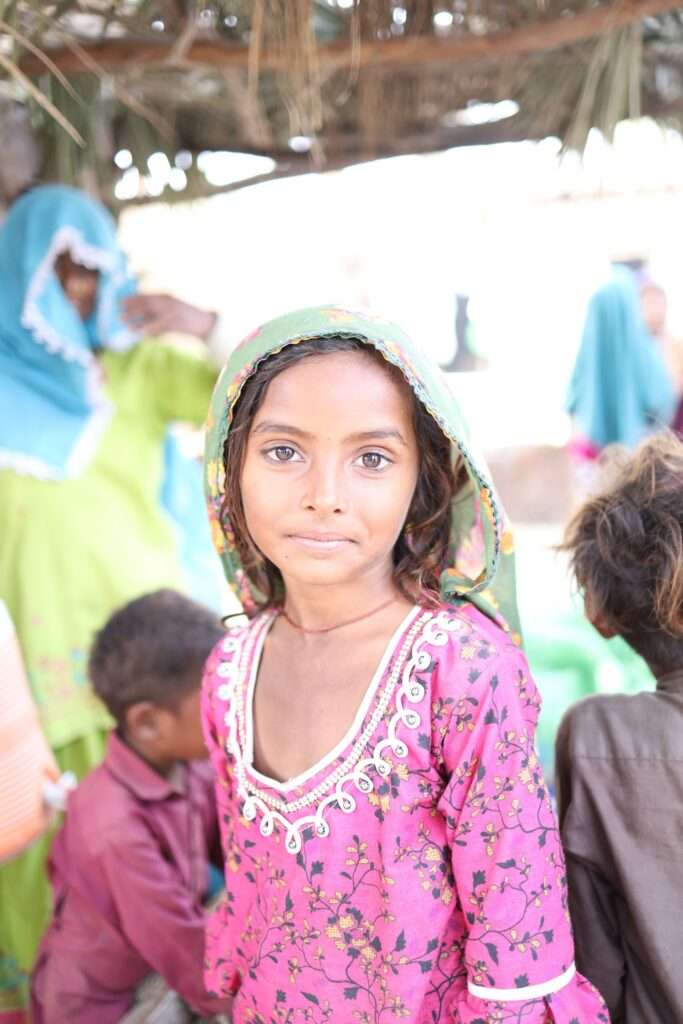
The struggles of young minority girls in Islamic Republic of Pakistan are real and complex. In other words, it include poverty, discrimination, limited education, access to opportunity and safety concerns. However, these challenges are not impossible to overcome low enforcement and educating minorities and youth especially young girls can help in this concern.
By putting stress on the education of girls, minority rights, child protection, low enforcement and community support, we can create meaningful change in the society. As a result, it could be the cause of a better and developed nation. Every girl deserves the opportunity to learn, to grow, to make bright future. However Freedom to speak and move in the society without any fear for being minority and live with dignity regardless of her background or beliefs.
Raising awareness and taking action today can help build more comprehensive and equal future for all.